









gkeep
I live for the CABE
Accidentally found this post from Facebook while searching for something else. Thought it worth sharing in case the story has not been posted here.
Read it and weep...
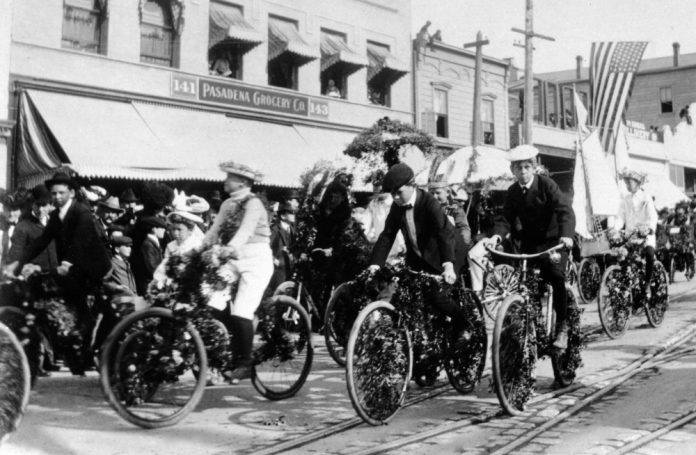
In 1898, hundreds of bicycles paraded down Colorado Boulevard in a show of force to impress city officials and planners that road improvements and more places to ride were urgently needed. Bicycle enthusiasts would often take the San Gabriel Valley bound electric cars from downtown Los Angeles, eventually crossing the Arroyo Seco at South Pasadena. Note: When Dobbins started the California Cycleway Company in 1897, his goal was to build the region’s first road from Pasadena to Los Angeles using the Arroyo Seco as the primary route. Over the past century, Dobbins’s novel idea has been revived by cycling activists. During the 1990s and early 2000s, California Cycleways, a group led by Dobbins’s grandson Will and cycling activist Dennis Crowley, advocated for a new cycleway between Los Angeles and Pasadena, but it never materialized.
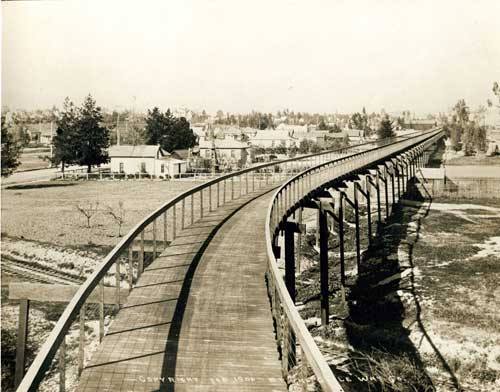
Although Dobbins’s California Cycleway had been completely demolished by 1907, its eccentric founder’s unique vision lives on, especially for transportation historians, for whom the cycleway is a bittersweet tale of what might have been.



Read it and weep...
In 1898, hundreds of bicycles paraded down Colorado Boulevard in a show of force to impress city officials and planners that road improvements and more places to ride were urgently needed. Bicycle enthusiasts would often take the San Gabriel Valley bound electric cars from downtown Los Angeles, eventually crossing the Arroyo Seco at South Pasadena. Note: When Dobbins started the California Cycleway Company in 1897, his goal was to build the region’s first road from Pasadena to Los Angeles using the Arroyo Seco as the primary route. Over the past century, Dobbins’s novel idea has been revived by cycling activists. During the 1990s and early 2000s, California Cycleways, a group led by Dobbins’s grandson Will and cycling activist Dennis Crowley, advocated for a new cycleway between Los Angeles and Pasadena, but it never materialized.
Although Dobbins’s California Cycleway had been completely demolished by 1907, its eccentric founder’s unique vision lives on, especially for transportation historians, for whom the cycleway is a bittersweet tale of what might have been.


