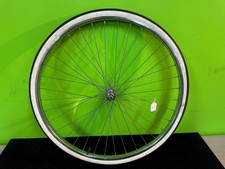
It may not work for this situation, but I once ground a large cold chisel down to fit the slots and used a large adjustable wrench to turn the chisel handle.
I'm all for homemade tools and giving it the college try, but for this operation you actually need the real deal. As a bicycle dealer, I could not tell you how many times a customer brought in a rear wheel in that was not able to get the freewheel off. In the process of trying, they usually screw up the remover slots on the freewheel to a point that the only way is to tear the freewheel apart and use the vise.
The key points in this job are,
Have a correct removal tool
Make sure the hub has an axle (or a skewer) "to center the removal tool" and "keep it centered"
Use a axle nut on the axle until the freewheel is "broken loose" from the hub threads
Use a very large, very secure vise to hold the remover from turning
When you put the remover into the vise lower it down all the way until the freewheel is supported on the top of the vise jaws
It may sound dumb, but make certain you turn the wheel "counterclockwise" when it's clamped into the vise
The freewheel is VERY TIGHT on the hub, when you turn the wheel use one hand to pull, and the opposite hand to push, DO NOT JUST PULL. When removing an "early style" slotted freewheel it's very easy to twist the remover out of the freewheel. It's the reason splined style freewheels eventually became the standard version.
The entire job is less than five minutes after you find the correct remover
If you're unsure, or if you do not think you will be removing many different freewheels, just take it to somebody with the correct remover and the experience to do the removal without any damage. Bike Shops need to make some money too.
John